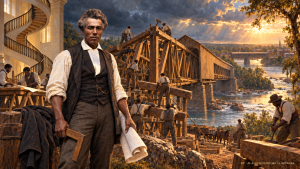
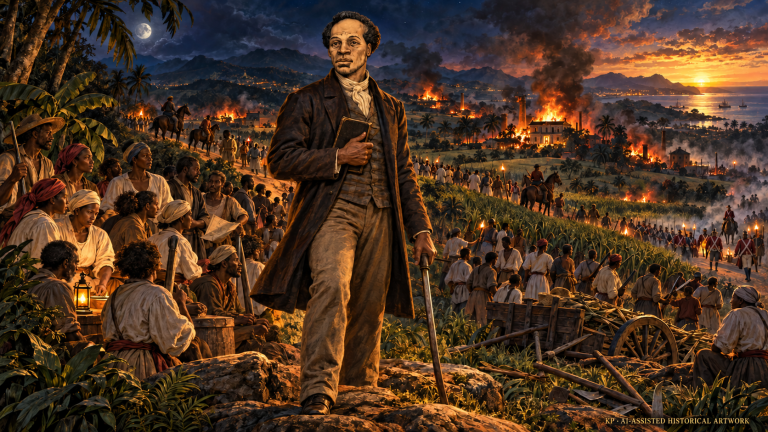
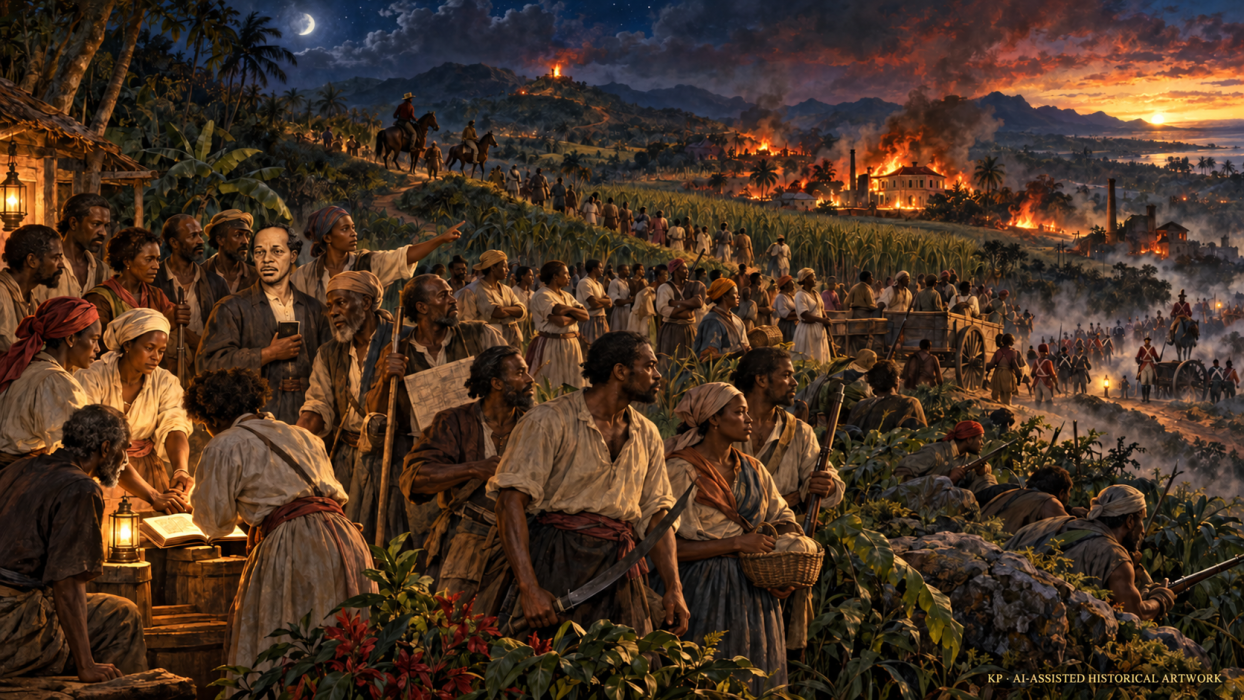
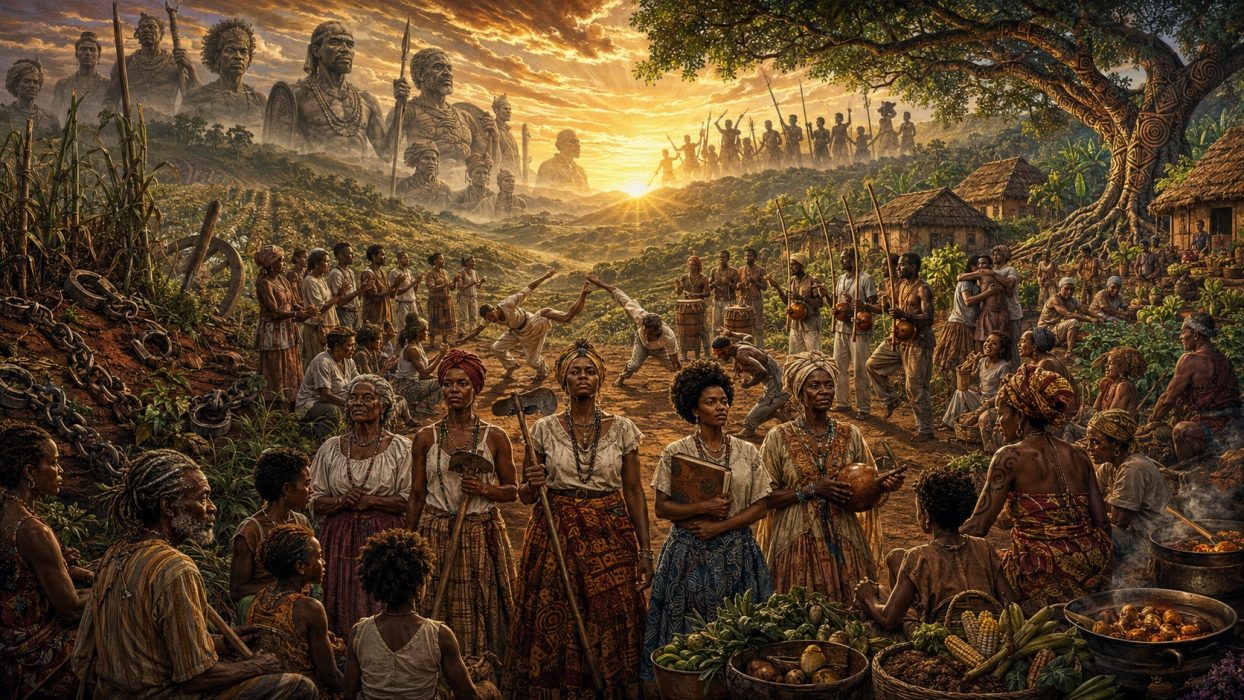
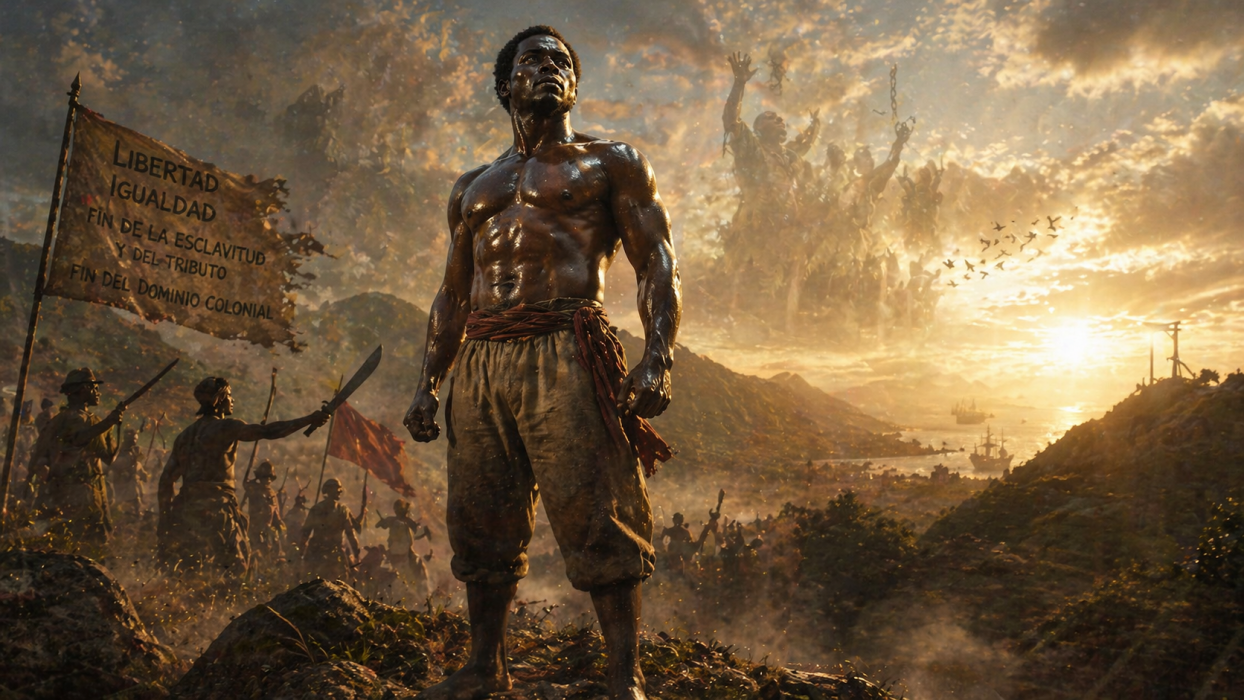
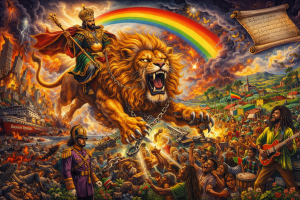
Samuel “Sam” Sharpe was one of the principal leaders of the Baptist War, the largest uprising of captive people (Xaymacans) in Jamaican history and the Caribbean territories under British oppression. Also...
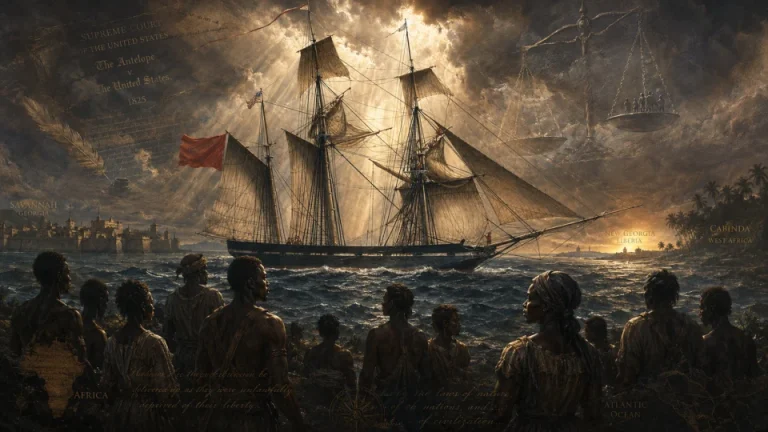
In 1820, the Antelope was seized off the coast of Florida with approximately three hundred African captives crowded aboard—most of them children, with an average age of only fourteen. Torn from...
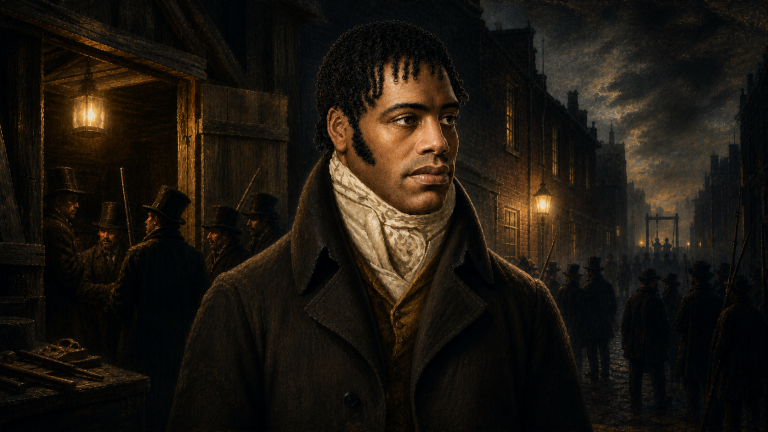
William Davidson (c.1781–1 May 1820) was a Jamaican‑born, Black British radical in early nineteenth-century Britain. His execution for the Cato Street Conspiracy places him at the nexus of inequality, political repression...
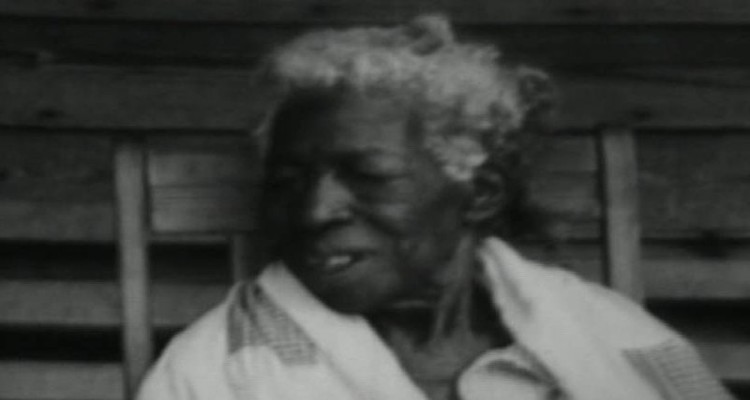
Redoshi was born in modern-day Benin and abducted from her home aged 12 before being sold as a child bride. She was renamed Sally Smith in the United States after arriving...
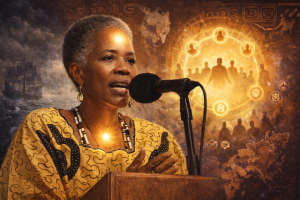
Meserette Kentake, founder of Kentake Page, was born and raised in Kingston, Jamaica, and is of Yoruba descent (mtDNA). Now based in London, she holds a BSc in Counselling Psychology but is most passionate about…