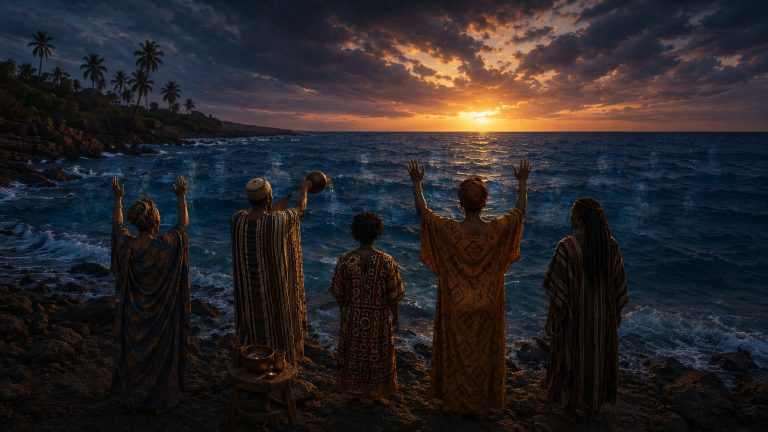
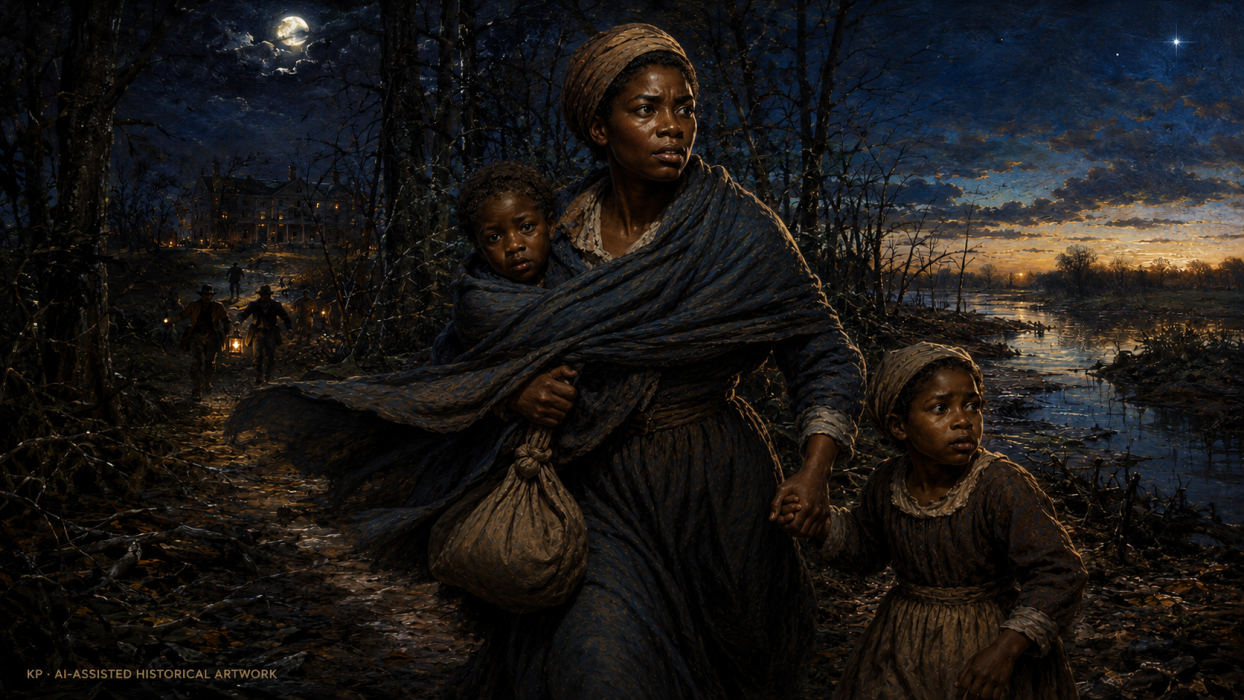
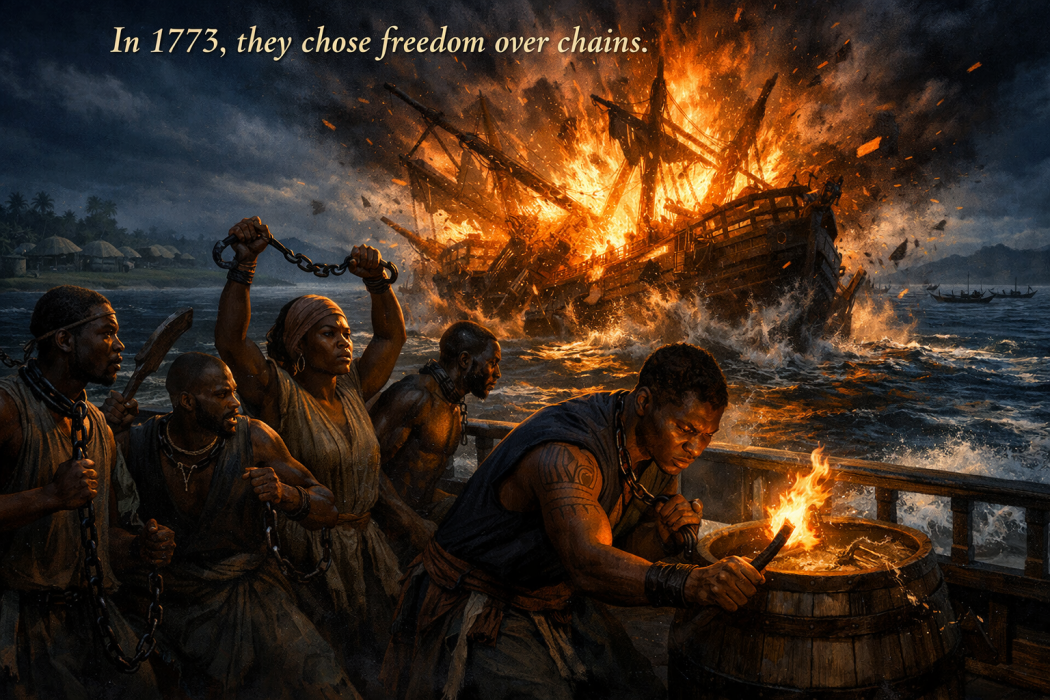
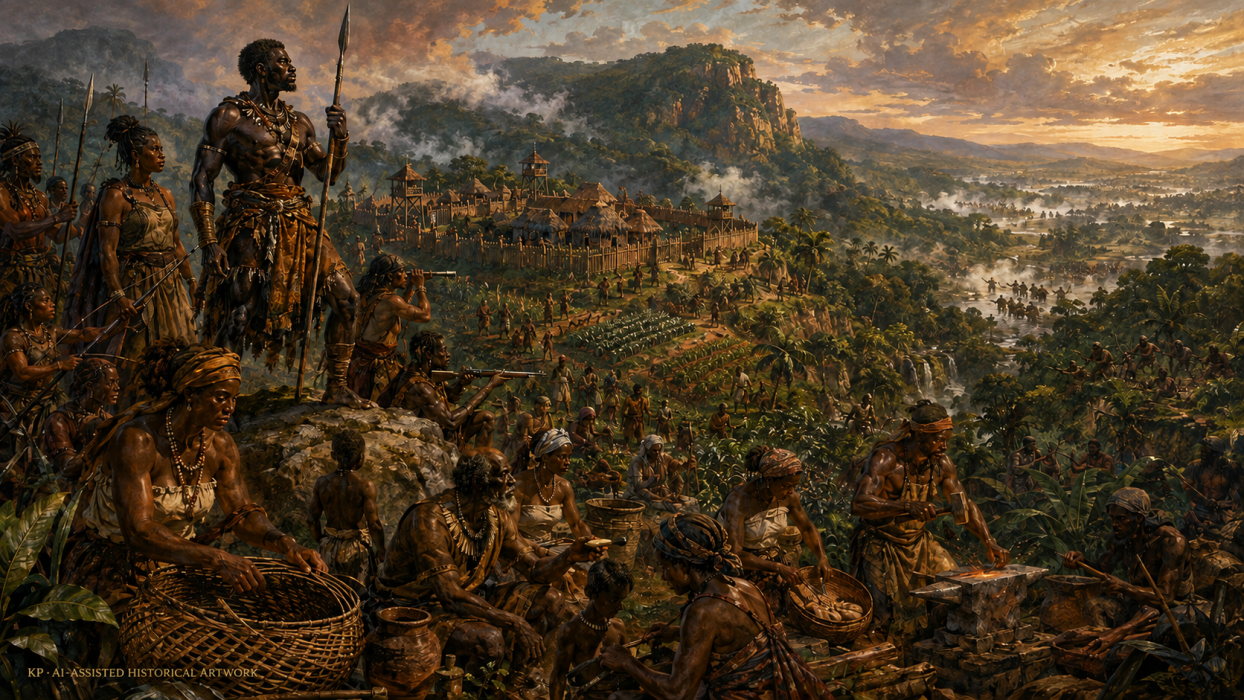
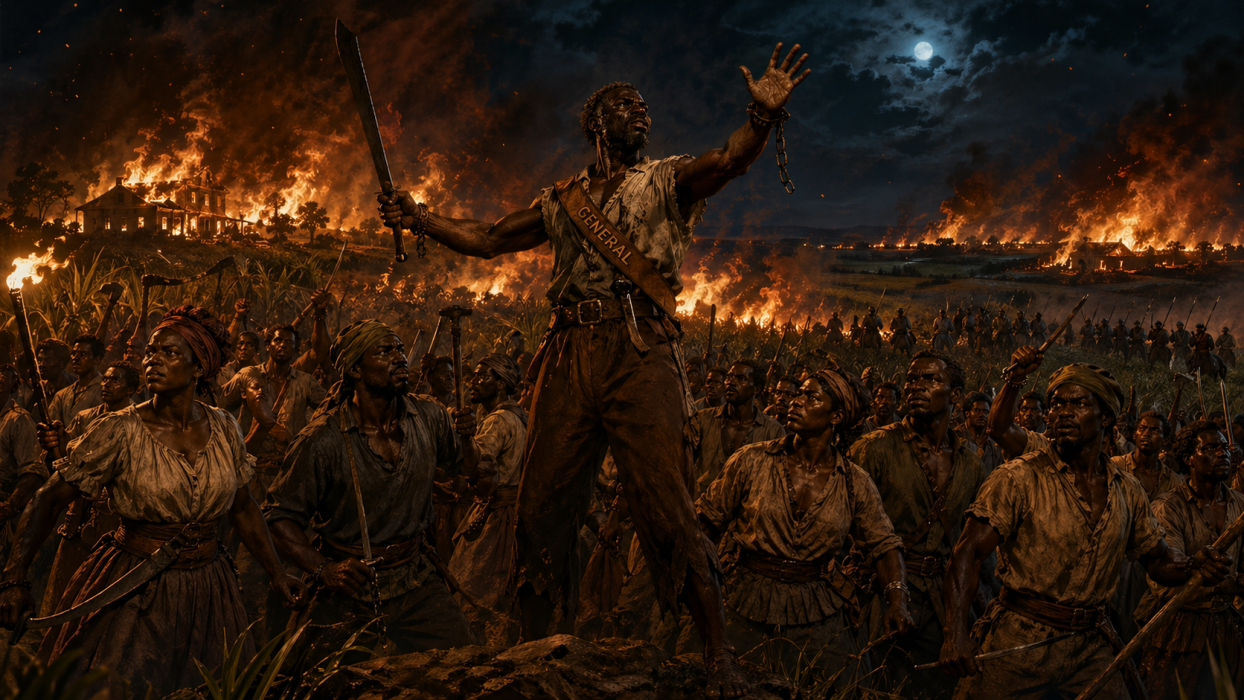
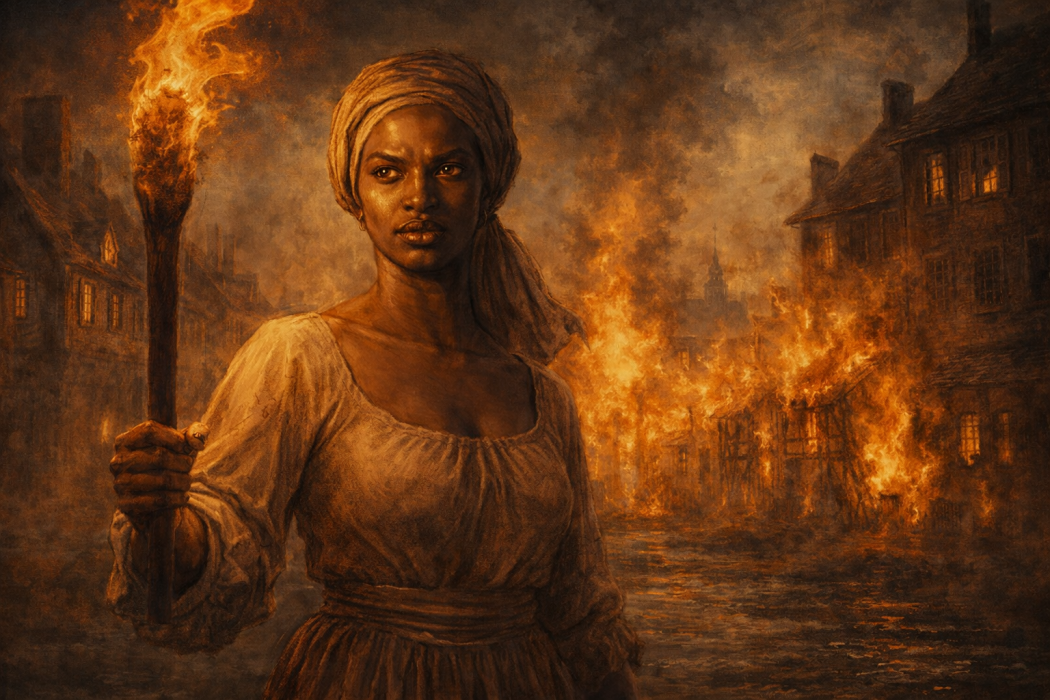
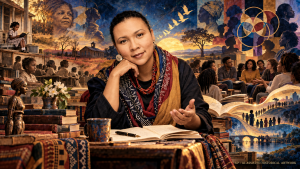
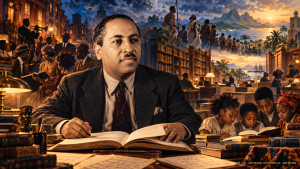
This essay explains how the term Maafa is used across Kentake Page. The term Maafa was introduced by Marimba Ani in her 1988 book, Let the Circle Be Unbroken, to capture the...
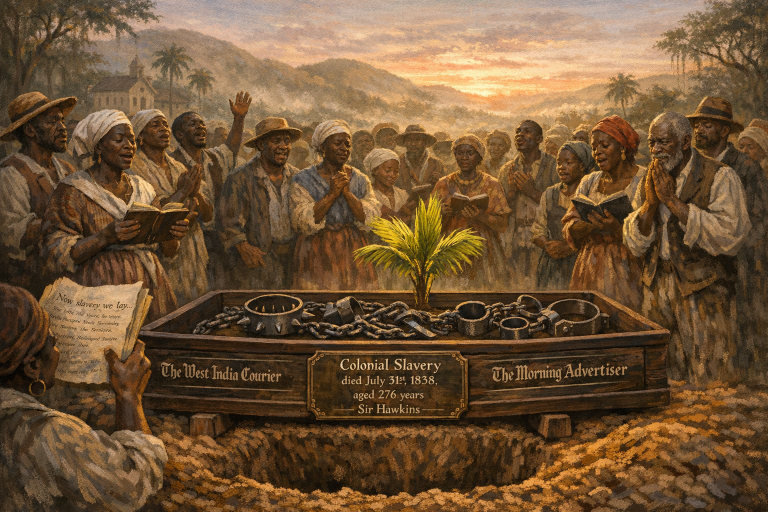
Few acts of collective forgetting have been as thorough and as successful as the erasing of slavery from Britain’s “island story”. ~David Olusoga On August 1, 1838, the British ended the...
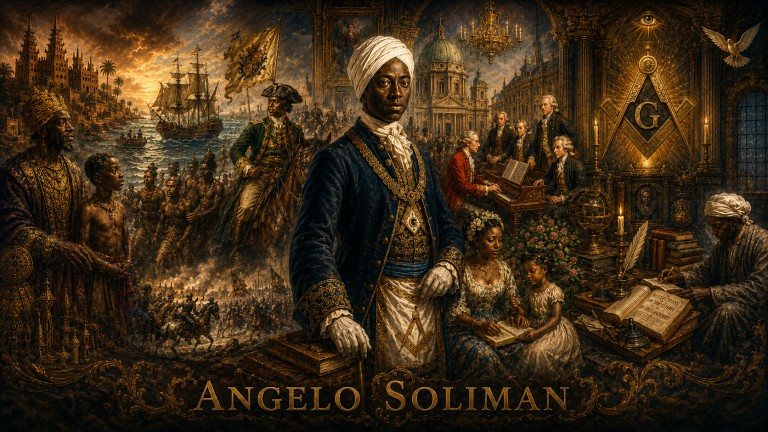
Angelo Soliman who achieved considerable fame as a “Princely Moor” in eighteenth-century Vienna, is historically recognized by some as the “First Moorish Freemason.” Soliman was born in Africa, around 1721. His...
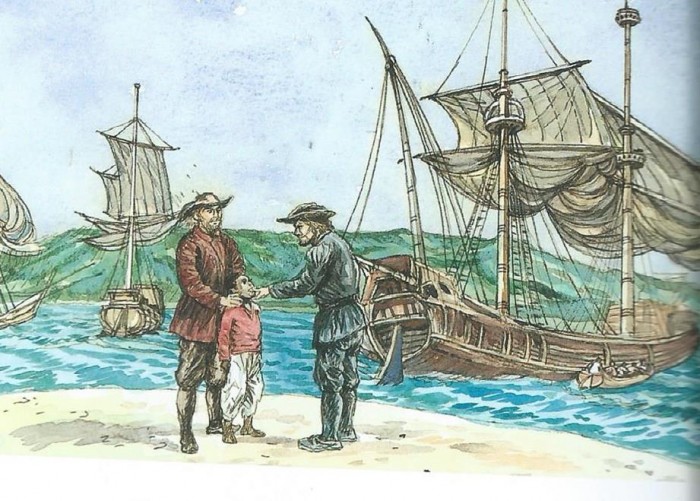
In 1628, the first Black person known to have lived in Canada was a Malagasy native. He was kidnapped and sold between the ages of 6 and 9 by the British...
Meserette Kentake, founder of Kentake Page, was born and raised in Kingston, Jamaica, and is of Yoruba descent (mtDNA). Now based in London, she holds a BSc in Counselling Psychology but is most passionate about…