


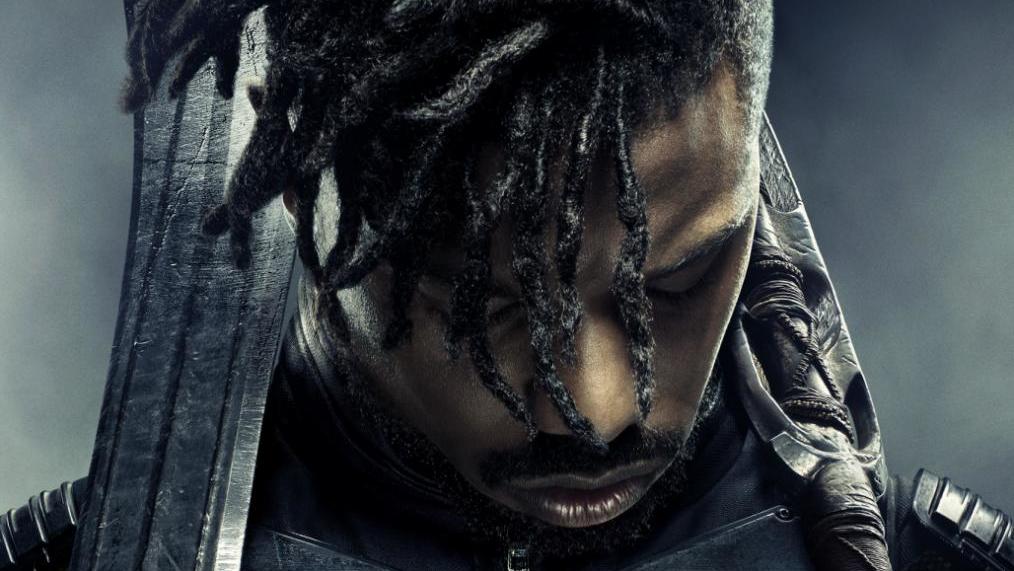
“Bury me in the ocean with my ancestors who jumped from ships, ’cause they knew death was better than bondage.” ~Eric Killmonger
The Maafa (Atlantic trafficking and captivity) is the part of history that captivates me most. I have read more books about it than any other era, and I wholeheartedly agree with W. E. B. Du Bois, who wrote: “The most magnificent drama in the last thousand years of human history is the transportation of ten million human beings out of the dark beauty of their mother continent into the new-found Eldorado of the West.”
So, when I watched Black Panther and heard Killmonger speak those words, it felt like a cool drink of water (no pun intended). His words made me reflect deeply.
In 1737, aboard the Prince of Orange, one hundred African captives jumped overboard in a tragic act of collective resistance, choosing death over bondage. But what about those who endured, surviving the terror and trauma of the Maafa?
I decided:
The ancestors who chose death over bondage were undeniably brave. Yet, those who found the strength to live and survive the unsurvivable were equally courageous.
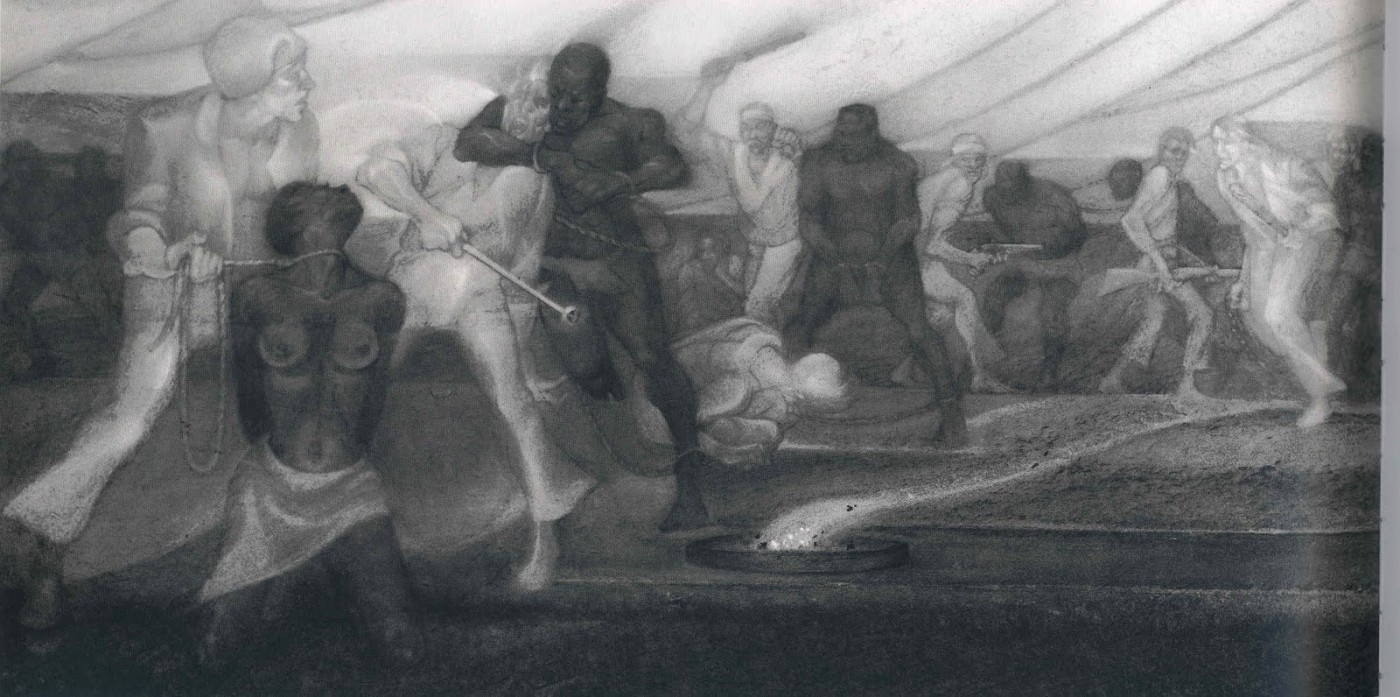
Painting by Tom Feelings from the Middle Passage series.
As Kaba Kamene (Booker T. Coleman) states: “Only the best of the best could have survived.” This resonates deeply with me and explains why this immediate and agonising chapter of Black history inspires me most. As I wrote in Ten Iconic Black Women of the Maafa, “...If I am searching for the bravest and most courageous people on earth, I find them in this dark period of ourstory. I cannot find a woman more courageous than Queen Nanny, the indomitable warrior-priestess; or Harriet Tubman, who braved countless perilous nights under the north star to liberate others; or Carlota, who resisted despite knowing the brutal consequences she faced. I cannot find a woman braver than Sanite, who commanded her own execution; or Solitude, who fought for freedom while pregnant; or Dandara, who chose death over bondage. Their unconquerable spirits made these ancestresses real-life heroines, not fantasy warriors.”
We are the living dreams and hopes of those who endured captivity—those who, during the tragic midnight of our history, clung to their aspirations and refused to let them be lost to the ocean, the Kalunga of the Kongolese, where their story might have ended. Instead, they survived the journey and reached the spiritually barren wastelands of the West, making it possible for us to exist. As Ben Okri writes:

1 comment
Thank you for writing this