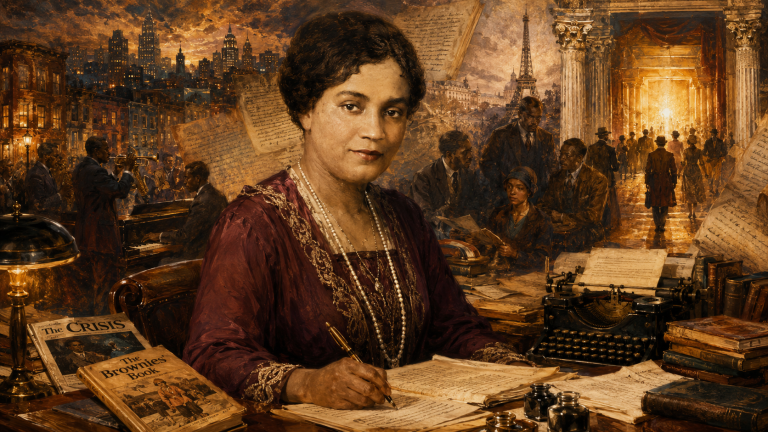
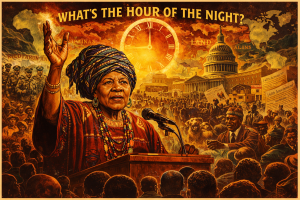
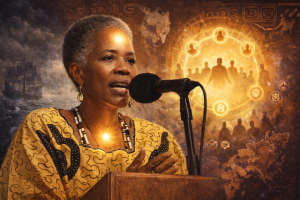
Regina M. Anderson was an African-American librarian, playwright, patron of the arts, and organizer whose quiet labor helped...
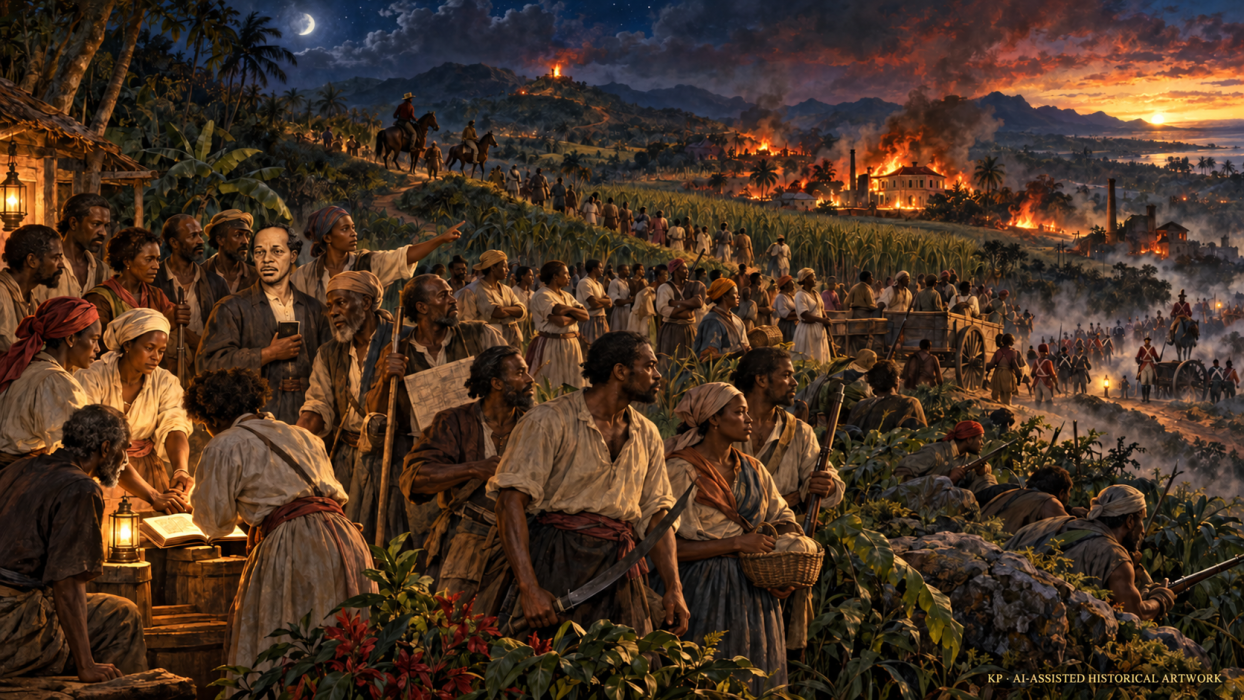
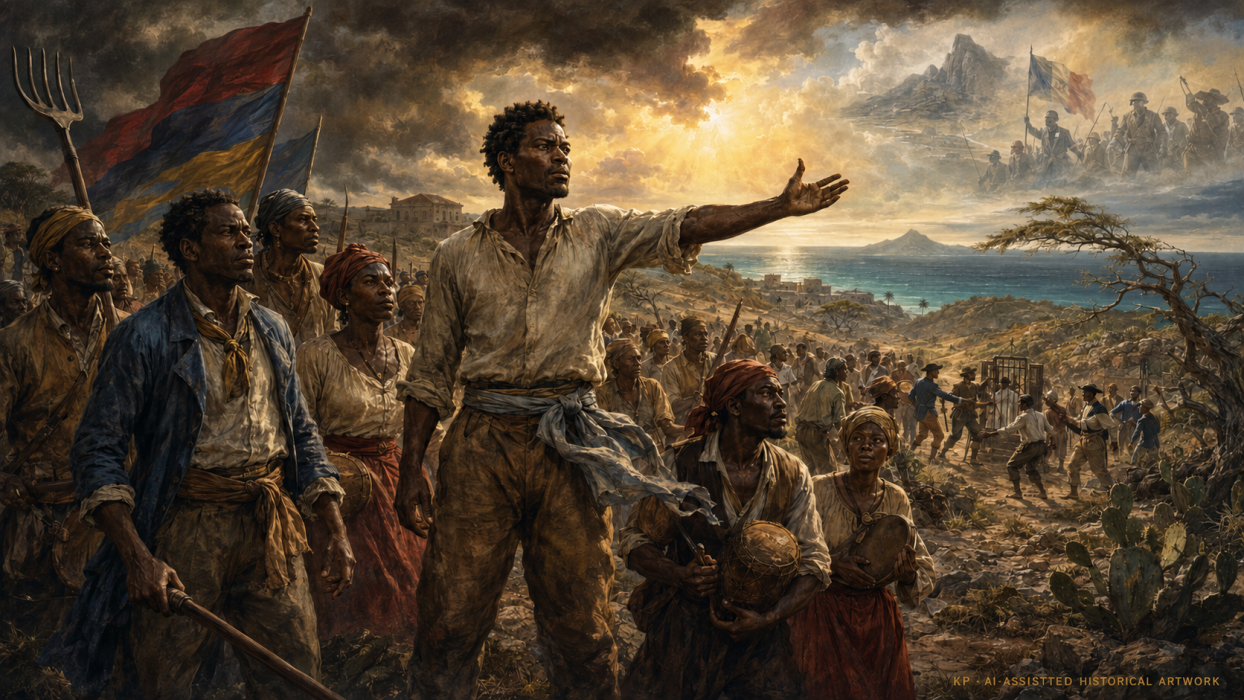
“I am Toussaint Louverture; perhaps my name has made itself known to you. I have undertaken vengeance. I...
Marie Selika Williams (c. 1849/1850–20 May 1937) was one of the most accomplished and pathbreaking African American classical singers of the nineteenth century. Born Mary S. Price Holloway in Natchez, Mississippi,...
Lorraine Vivian Hansberry lived only 34 years, yet she reshaped American theater, sharpened the intellectual edge of the...
Charlotte of Mecklenburg-Strelitz was Queen of Great Britain and Ireland from 1761, following her marriage to King George...
Queen Charlotte’s racial identity remains one of the most intensely debated topics in modern British royal historiography. The controversy raises profound questions about the construction of race, the politics of historical...
Catherine Flon holds a revered place in Haitian history as the woman most closely associated with the creation...
John Conyers Jr. (1929–2019) was the longest-serving African American in congressional history. He was a central architect of...
On May 17, 1954, the United States Supreme Court issued a landmark decision that transformed the nation’s legal and moral landscape. In Brown v. Board of Education of Topeka, the Court...
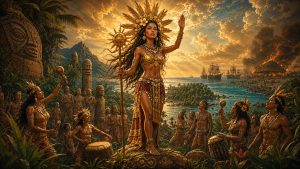
Anacaona (c. 1474–1503) was a distinguished Taíno poet, and composer of sacred areitos, and a leading cacica of...
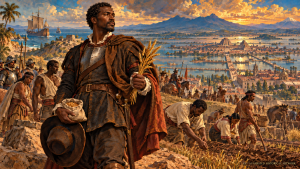
Juan Rodríguez (Dutch: Jan Rodrigues; Portuguese: João Rodrigues) holds the distinction of being the first documented non-indigenous person...
Stevie Wonder, born Stevland Hardaway Judkins on May 13, 1950, in Saginaw, Michigan, is celebrated as one of the most influential and visionary artists in modern music. His career as a...