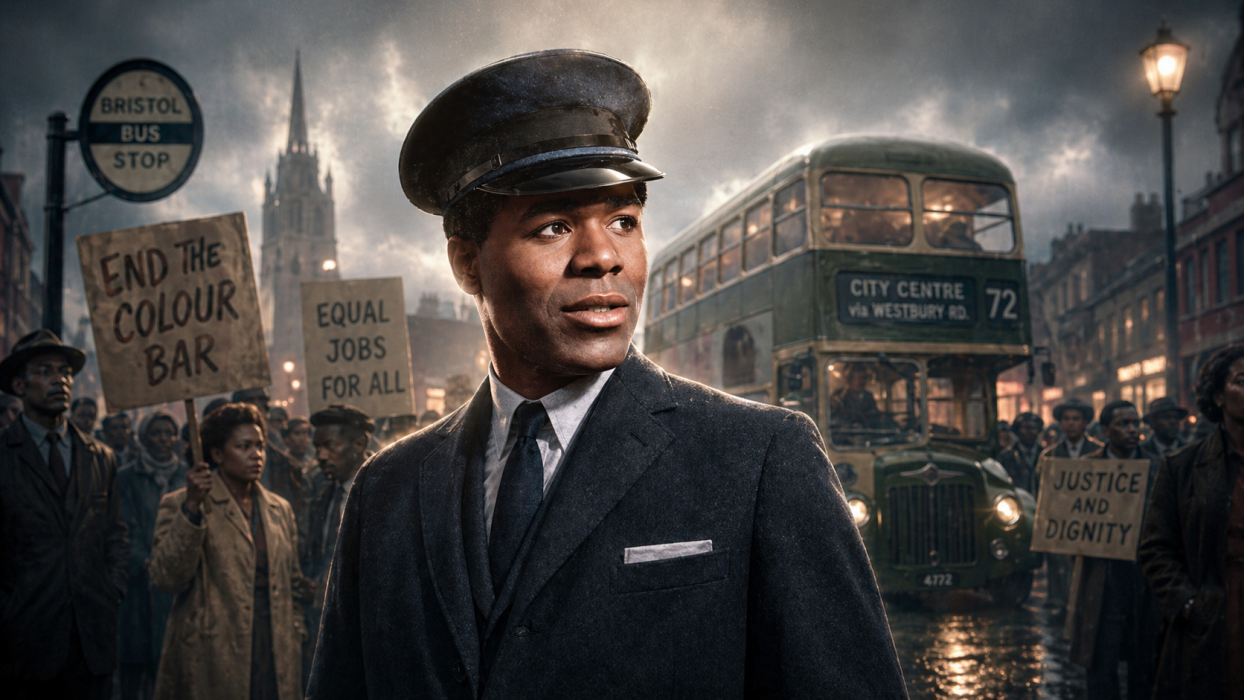
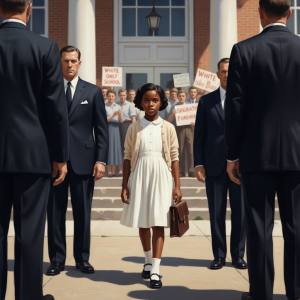
In the spring of 1963, Black Bristolians and their allies launched a four‑month bus boycott that would change...
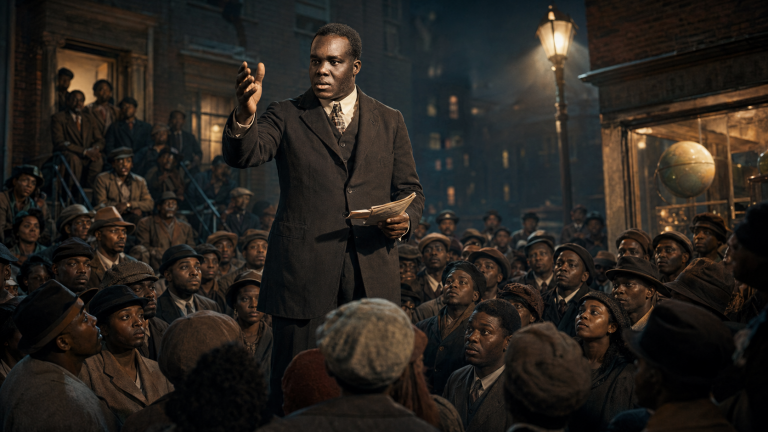
In the early twentieth century, when almost the entire African continent had been carved up under European oppression,...
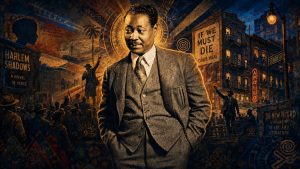
Hubert Henry Harrison (1883–1927) was a towering Caribbean-born intellectual, agitator, and educator whose life forces us to rethink the origins of Harlem radicalism, the New Negro movement, and Black internationalist thought...
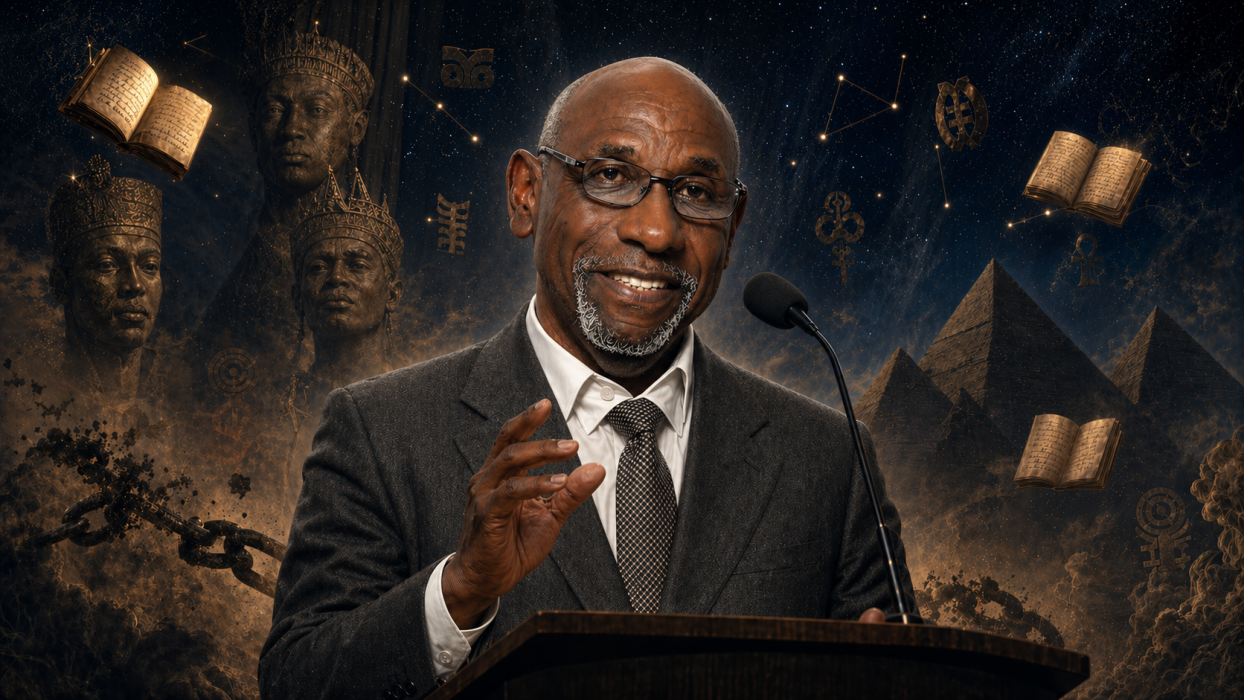
No Black history library or book collection is complete without a work by Dr. Na’im Akbar. In addition...
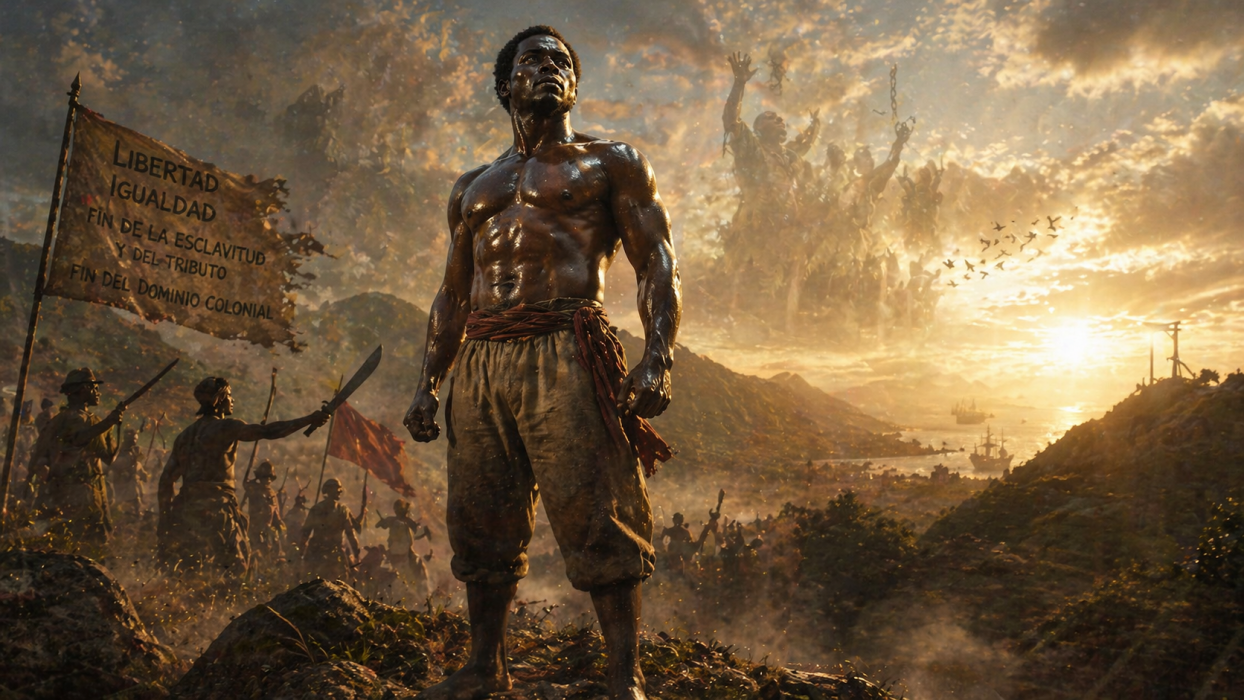
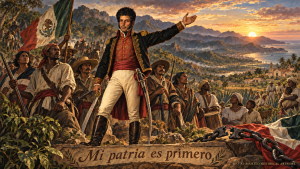
José Leonardo Chirino (25 April 1754 – 10 December 1796) stands as one of the most significant anti-Maafa...
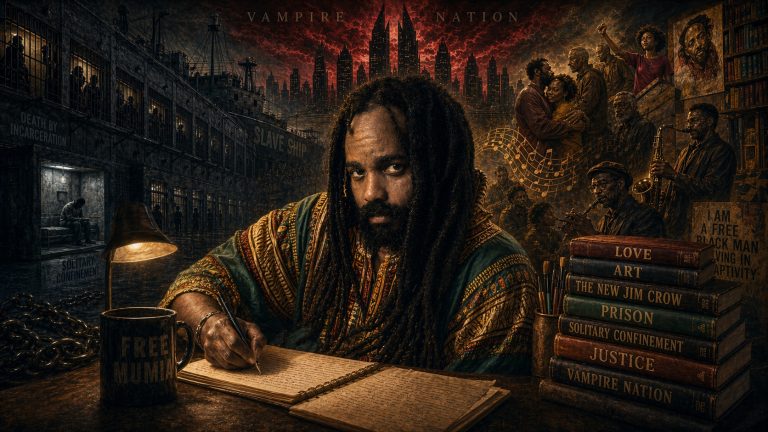
“I am a thinker, writer, activist, creative being, man, dad, husband, grandpop, and son. But just to keep it simple: I’m a free Black man living in captivity. That’s who I am.” Mumia...
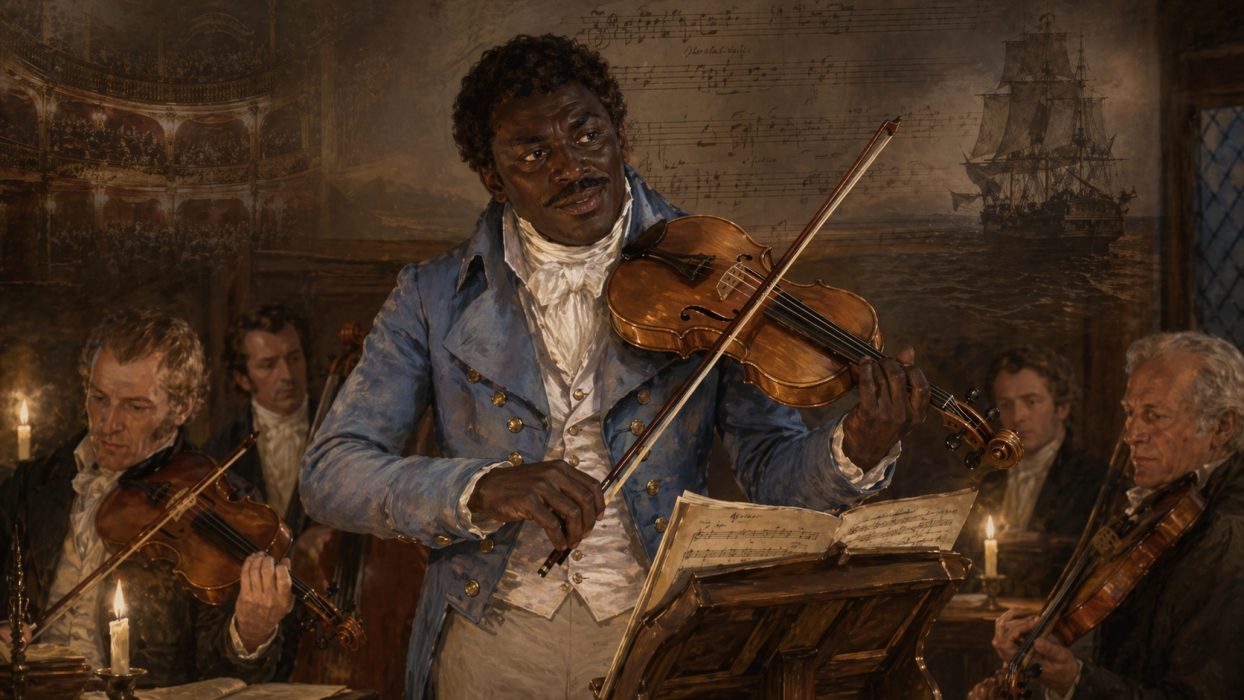
Joseph Antonio Emidy (c. 1775–23 April 1835) was an Afro‑Portuguese violinist, composer, and teacher who became one of...
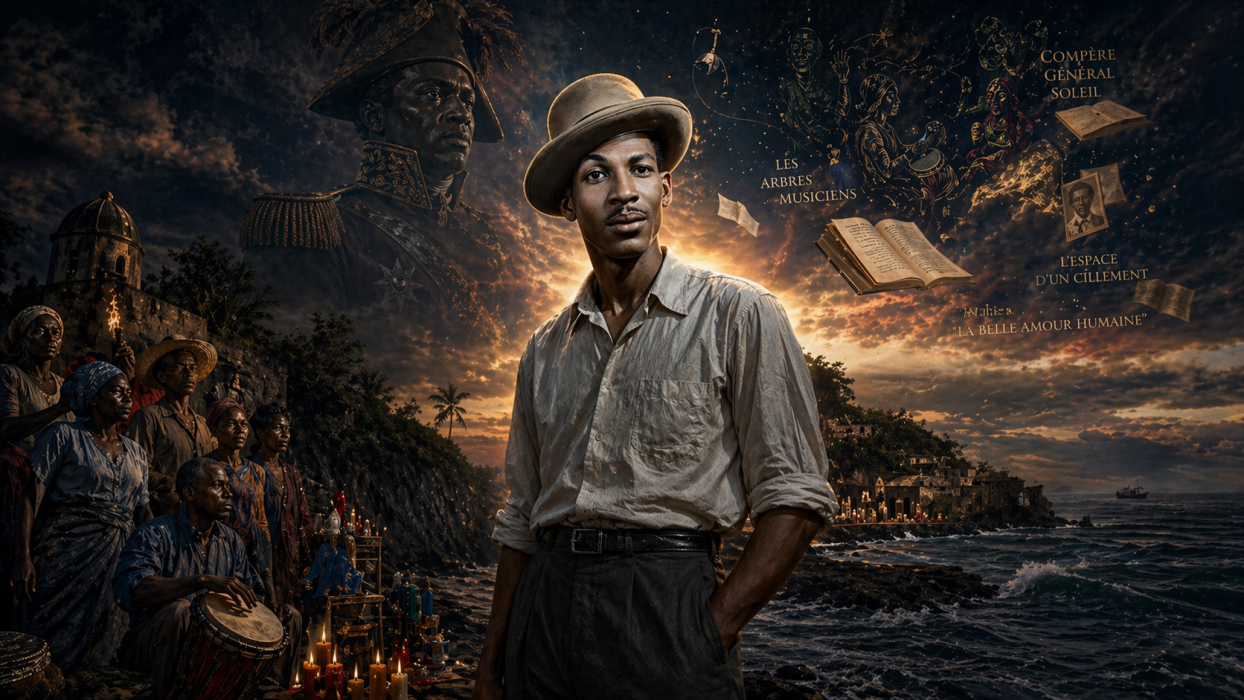
Jacques Stephen Alexis (1922–1961) was a Haitian novelist, neurologist, and Marxist political activist whose life and work came...
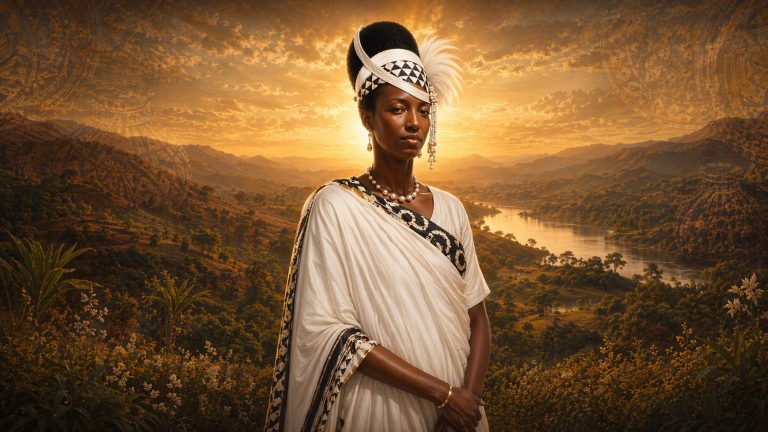
Rosalie Gicanda (1928–1994) was the last Queen of Rwanda, remembered as a “People’s Queen” whose life of quiet dignity ended in martyrdom during the 1994 Genocide against the Tutsi. Rosalie Gicanda was born...
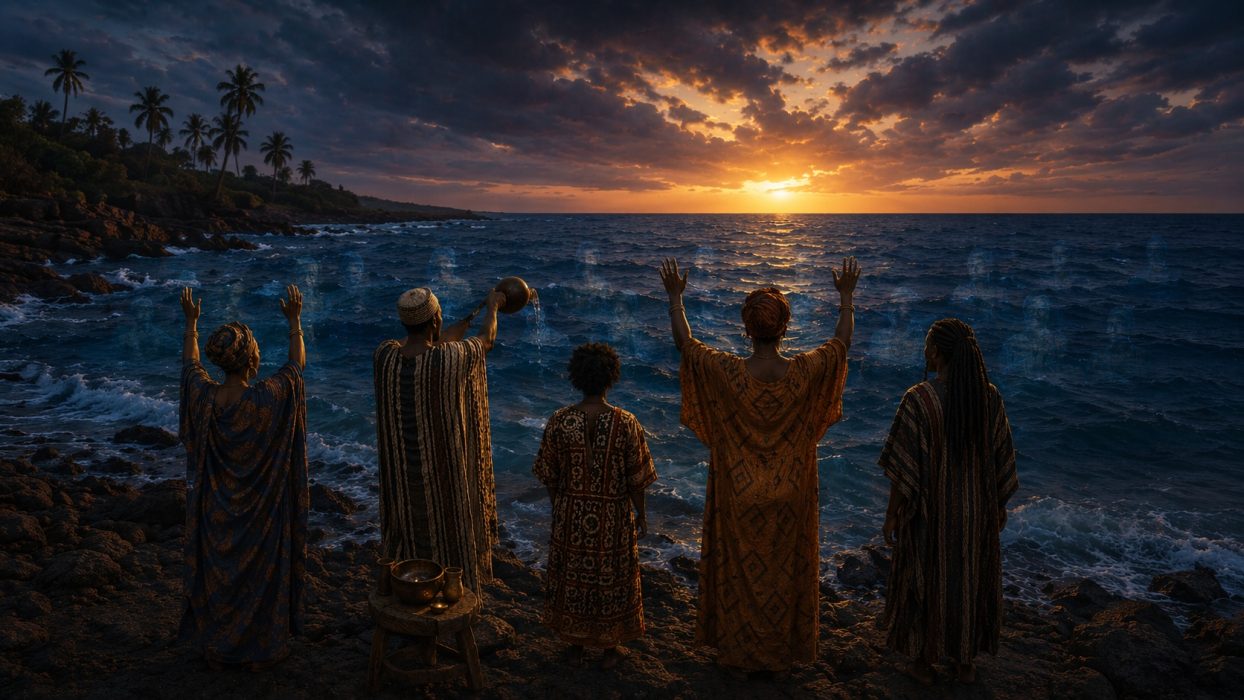
This essay explains how the term Maafa is used across Kentake Page. The term Maafa was introduced by...
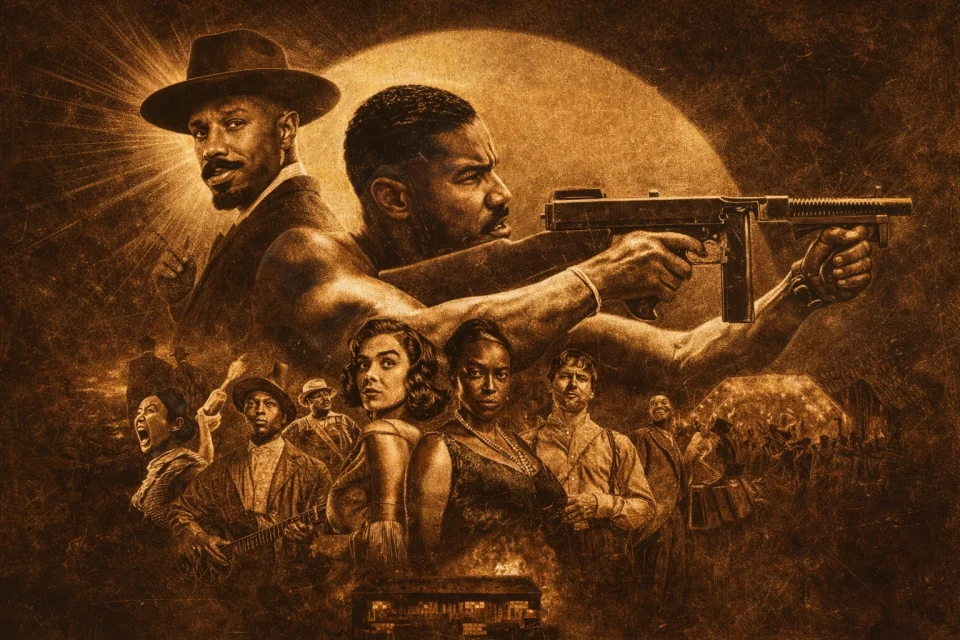
On the word Maafa In this cine-essay, I advance an original reading of Sinners that treats the film as a...
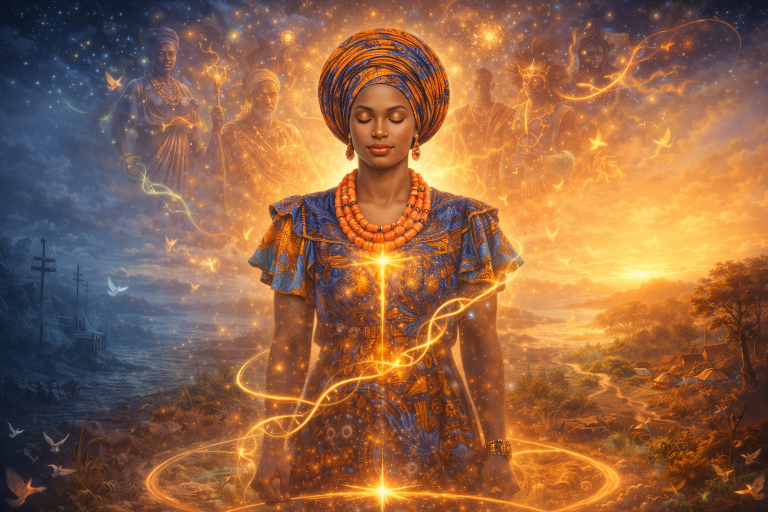
When I first wrote “Identity of She,” I believed the questions I carried about the “first” mother in the poem would remain unanswered forever. Since childhood, I sensed an ancestral maternal...