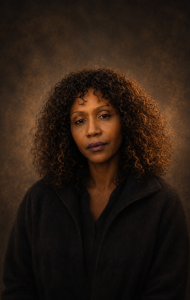
Meserette Kentake, founder of Kentake Page, was born and raised in Kingston, Jamaica, and is of Yoruba descent (mtDNA). Now based in London, she holds a BSc in Counselling Psychology but is most passionate about Afrikan/Black history—especially the Maafa (Atlantic trafficking and captivity). Much of her research and writing centers on this topic. She earned a post-graduate certificate in African History after her MA program was suspended just before completion. Undeterred, Meserette continues her independent scholarship and is working on a debut book about the Maafa. Kentake Page is dedicated to her mother, Delores Anderson, who always encouraged her to share her knowledge with the world. Meserette sees this work as both a cultural duty and spiritual contribution, and is available as a historical researcher and consultant for scripts, documentaries, exhibitions, and related projects. For inquiries, contact Meserette at meserette@kentakepage.com.
In the spring of 1963, Black Bristolians and their allies launched a four‑month bus boycott that would change race relations in Britain. Rooted in the...
In the early twentieth century, when almost the entire African continent had been carved up under European oppression, an African woman sat on a sovereign...
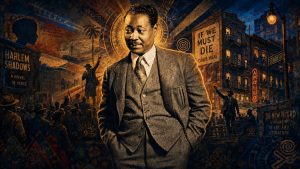
Hubert Henry Harrison (1883–1927) was a towering Caribbean-born intellectual, agitator, and educator whose life forces us to rethink the origins of Harlem radicalism, the New...
No Black history library or book collection is complete without a work by Dr. Na’im Akbar. In addition to being a critical, insightful, and authoritative...
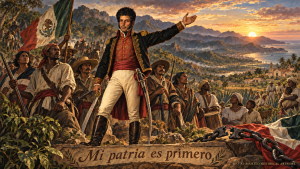
José Leonardo Chirino (25 April 1754 – 10 December 1796) stands as one of the most significant anti-Maafa freedom fighters in eighteenth-century Venezuelan history. A...
Joseph Antonio Emidy (c. 1775–23 April 1835) was an Afro‑Portuguese violinist, composer, and teacher who became one of the most prominent musical figures in early...
Jacques Stephen Alexis (1922–1961) was a Haitian novelist, neurologist, and Marxist political activist whose life and work came to embody the intertwined struggles for culture,...
Rosalie Gicanda (1928–1994) was the last Queen of Rwanda, remembered as a “People’s Queen” whose life of quiet dignity ended in martyrdom during the 1994 Genocide against...